
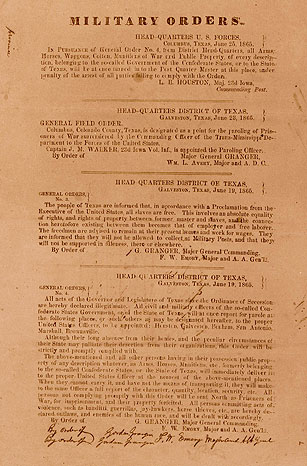
Every year on June 19, communities across the country come together to observe Juneteenth through parades, live music festivals, block parties, and other joyful events. However, many people may not fully understand its significance or why it is recognized as a federal holiday. Juneteenth, a term that was first used in the 1890s, commemorates the emancipation of enslaved African Americans more than two years after President Abraham Lincoln signed the Emancipation Proclamation in January 1863. On June 19, 1865, in Galveston, Texas, Union General Gordon Granger notified the community of the final enforcement of the proclamation by posting copies of the announcement in public areas. Although the Emancipation Proclamation was issued more than two years earlier, many enslaved people in Texas remained captive, with enslavers often committed to withholding liberty and dignity until Union troops arrived to enforce it. Some enslavers also deliberately withheld news of emancipation in order to continue extracting labor. When all enslaved individuals were finally declared free, it marked a crucial moment in American history. Today, Juneteenth is not only a celebration, a federal holiday since 2021, but also a time for reflection.
Although Juneteenth commemorates Black Americans’ independence, it prompts questions about the meaning of freedom and whether it has been fully achieved. The 13th Amendment abolished slavery and involuntary servitude, but it included an exception allowing forced labor as punishment for a crime. This exception creates a loophole to ongoing exploitation. Practices such as convict leasing and prison chain gangs emerged in the decades following emancipation, often disproportionately affecting Black Americans. Convict leasing sees prisons renting prisoners for labor, paying workers pennies or nothing at all. Today, Black Americans remain disproportionately affected by mass incarceration, being arrested, sentenced, and imprisoned at higher rates than white Americans, a pattern many view as part of the continuing legacy of racial inequality in the criminal justice system. Treating humans as property or as objects to lease dehumanizes them, which is the exact playbook from 1619 when the first ship carrying enslaved African’s landed in Virginia. Many believe that this illustrates that slavery was never abolished but reshaped itself to blend into modern-day society.
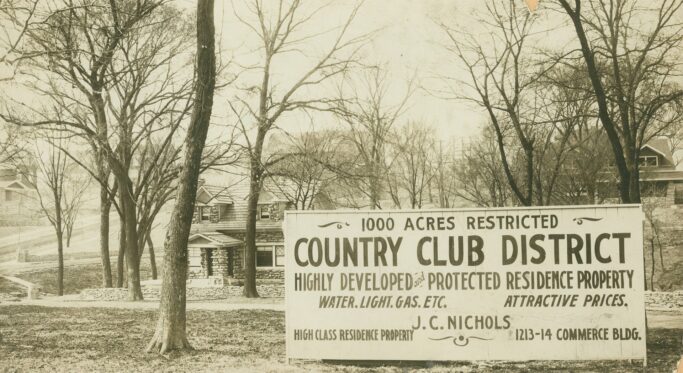
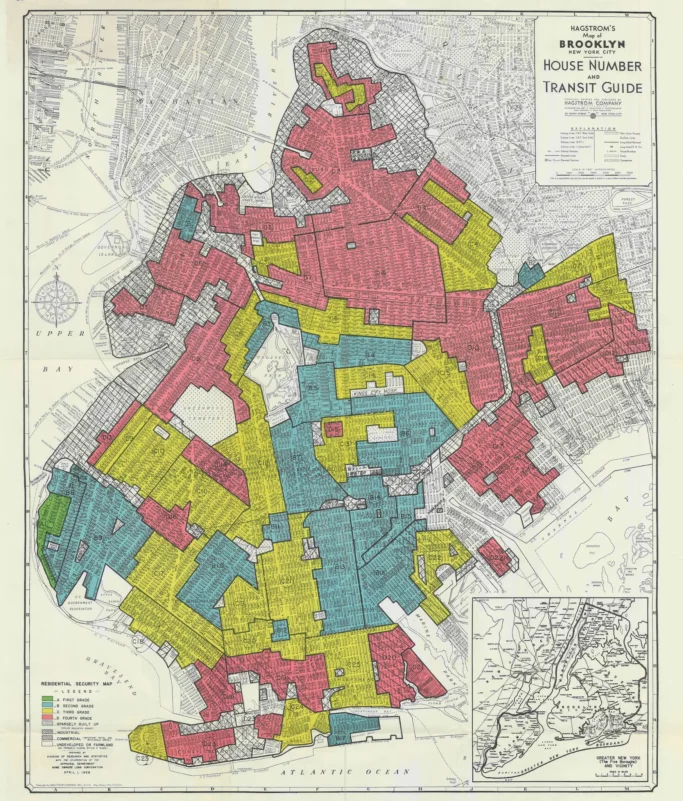
Another example is segregation. Black communities continue to face discrimination through the echoes of past discriminatory housing policies, such as housing covenants and redlining. Housing covenants, binding legal agreements registered on a property’s title, dictate what an owner can and cannot do with their land, including restrictions on who can live there. This saw individuals legally declaring that a property not be sold to Black individuals and other racialized groups in the hope of keeping the area white. Housing access affects which schools children attend, what jobs are available, and the resources communities can access. While these covenants are no longer legally enforceable, their legacy continues to shape patterns of housing, wealth, and opportunity today. Add to this the practice of redlining, which was the practice of banks, lenders, and government agencies denying mortgages or offering worse loan terms to people living in neighborhoods that were predominantly Black or otherwise racialized. The effects of these policies continue to be visible today through lower property ownership rates, wealth gaps, and unequal access to investment and economic opportunities for racialized people. So again, what is freedom if there are numerous barriers that Black communities still face?
These ongoing issues are why diversity, equity, and inclusion are still important today. Some people see DEI as an undeserved handout to marginalized communities, but the truth is DEI helps level the playing field by addressing barriers that have made it harder for historically excluded groups to access the same opportunities as their counterparts. Understanding this history helps explain why DEI initiatives continue to exist. Their purpose is not to provide special treatment but to address barriers that have limited access to opportunity for historically excluded groups. Juneteenth reminds us that legal freedom and lived freedom are not always the same thing. So, as you finish reading this, I leave you with the question: Is the Black community truly free?
If you would like to dive deeper into the topics discussed, check out these resources:
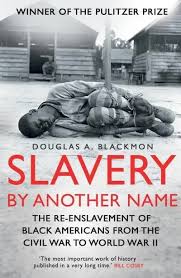
Book: Slavery by Another Name by Douglas A. Blackmon – The re-enslavement of Black Americans from the Civil War to World War Two
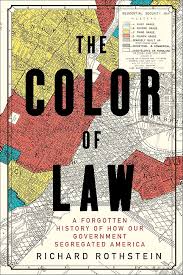
Book: The Color of Law by Richard Rothstein – A Forgotten History of How Our Government Segregated America
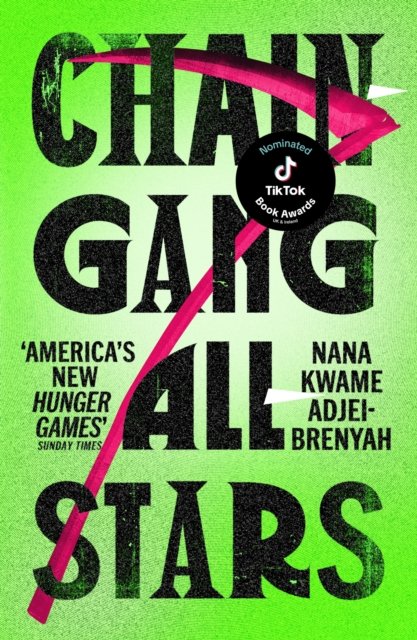
Book: Chain-Gang All-Stars by Nana Kwame Adjei-Brenyah – Fiction, enter a world where, livestreamed to millions, prisoners fight like gladiators for the ultimate prize: their freedom.
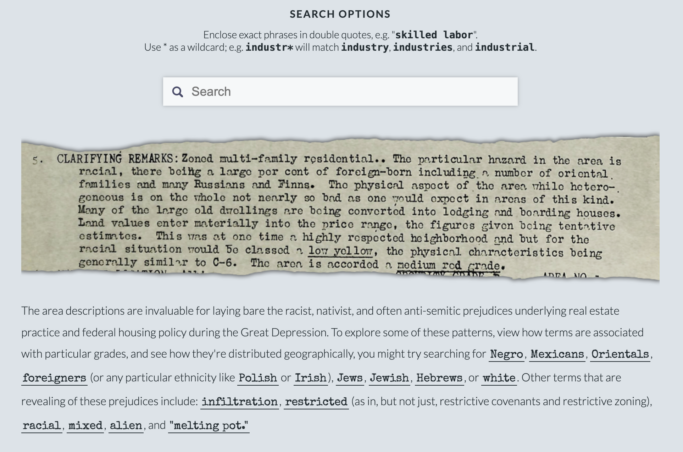
Resource: Mapping Inequality Project: Interactive maps showing historical redlining practices
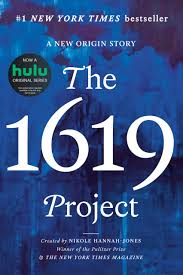
Podcast: 1619 Project: Explores the legacy of slavery and its impact on contemporary American society.
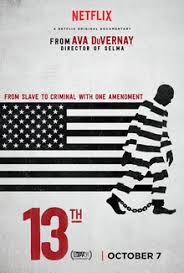
Documentary: 13th by Ava DuVernay – examines the 13th Amendment’s exception clause and mass incarceration.
If you haven’t yet had the opportunity, make sure to order a copy of Elmer Dixon’s powerful memoir DIE STANDING: From Black Panther Revolutionary to Global Diversity Consultant and check out what others have been saying about Elmer and his story.
Check out these other opportunities to see what folks are saying about Elmer and his continued work.
- See Elmer speak at Stories from the Revolutions’ Front Lines at his keynote at TEDxUTulsa
- Listen to Elmer talk on NPR’s The Jefferson Exchange
- Read about Elmer’s story in a piece featured in The Seattle Times
- Listen to Elmer on The Medium